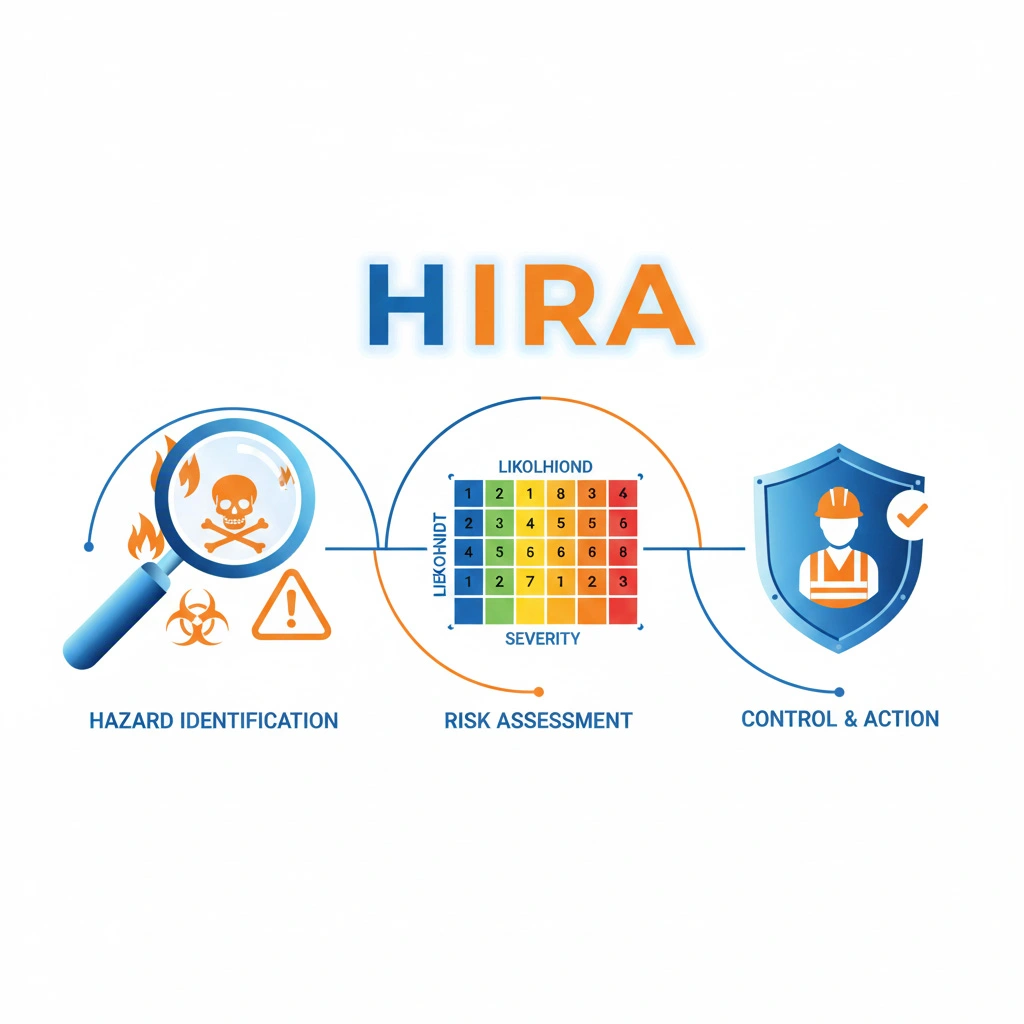
Operational safety is directly linked to how effectively an organization identifies hazards, evaluates risks, and controls disruptions before they escalate into incidents. In industrial environments, even a small overlooked hazard can lead to injuries, equipment failure, production delays, regulatory issues, and financial losses. This is where structured risk assessment becomes essential. A systematic approach helps organizations understand threats across processes, people, machinery, and infrastructure while maintaining stable operations during unexpected events.
Understanding the Role of Risk Identification in Operations
Every workplace contains physical, chemical, mechanical, ergonomic, and environmental risks. Without proper identification, these risks may remain hidden until they trigger accidents or process failures. Risk identification improves operational awareness by allowing teams to detect weak points in workflows, unsafe practices, and vulnerable systems.
A proactive safety culture depends on identifying hazards before they lead to damage. Businesses that evaluate risks early are better positioned to reduce downtime, improve worker protection, and maintain uninterrupted productivity. This approach supports both daily operational safety and long-term resilience.
How Hazard Assessment Reduces Workplace Incidents
Accidents often occur due to a combination of unsafe conditions, poor communication, inadequate training, and weak preventive controls. Hazard assessment provides a structured method to evaluate the severity and likelihood of risks.
When organizations analyze hazards properly, they can prioritize critical risks and implement controls such as engineering modifications, administrative procedures, isolation systems, and emergency response measures. This minimizes exposure to dangerous situations and improves overall workplace stability.
A well-documented risk management framework also creates consistency in safety decisions, helping teams respond effectively to changing operational conditions.
Supporting Preventive Safety Through Structured Risk Analysis
Preventive safety is stronger when organizations rely on clear analysis rather than assumptions. A detailed risk assessment process identifies both immediate threats and long-term operational weaknesses.
For example, repeated machine overheating, chemical leakage possibilities, electrical overload, or poor evacuation access may indicate deeper safety concerns. Addressing these issues before escalation supports continuity and protects both people and assets.
Using HIRA helps organizations classify hazards, assess impact levels, and establish control priorities across operations. This improves visibility and supports informed safety decisions without depending solely on reactive action.
Strengthening Business Continuity Through Risk Control
Business continuity depends on how quickly a company can prevent, absorb, or recover from disruptions. Safety incidents often interrupt operations by damaging equipment, halting production, affecting workforce availability, or triggering legal and compliance issues.
Risk control directly supports continuity planning by reducing vulnerabilities. Controls may include maintenance schedules, shutdown procedures, fire protection systems, emergency drills, or backup operational plans.
When hazards are managed consistently, organizations experience fewer unexpected interruptions. This allows smoother workflow continuity and better preparedness during emergencies, natural events, or technical failures.
Improving Decision-Making with Data-Driven Safety Practices
Operational decisions become more effective when supported by measurable safety data. Hazard records, near-miss trends, inspection outcomes, and incident reports provide valuable insight into recurring risk patterns.
Instead of reacting after failures, organizations can use this information to improve equipment reliability, workflow design, and employee protection strategies. Data-based evaluation reduces guesswork and helps leadership prioritize areas with the highest operational exposure.
This also improves communication between management, maintenance teams, and frontline workers because safety decisions are based on documented evidence rather than isolated observations.
Enhancing Process Safety in High-Risk Industries
Industries such as manufacturing, oil and gas, pharmaceuticals, construction, and logistics often operate under higher hazard exposure. In these sectors, process safety is critical for preventing large-scale failures.
Complex systems involving pressure, heat, chemicals, combustible materials, or automation require deeper evaluation beyond basic workplace checks. Process-based assessments identify deviations that could affect operational integrity.
Programs such as HAZOP Training improve understanding of process deviations, control failures, and operational consequences. This strengthens hazard recognition and supports safer system design.
Improved process safety reduces production losses while supporting reliability in essential operations.
Building Compliance and Accountability
Safety assessments also support regulatory compliance. Many industries are expected to document hazard controls, emergency readiness, and risk mitigation strategies.
When businesses maintain structured assessments, they create accountability across departments. Supervisors understand responsibilities, workers follow defined procedures, and safety teams can monitor compliance gaps.
Documentation also becomes useful during inspections, internal reviews, audits, and corrective action planning. Consistent accountability reduces human error and strengthens trust in operational systems.
Supporting Fire and Emergency Preparedness
Emergency preparedness is a major factor in business continuity. Fire incidents, electrical faults, and evacuation failures can cause severe operational disruption.
Preparedness depends on clear risk mapping, response planning, alarm systems, and infrastructure safety verification. A detailed Fire Audit helps identify weaknesses in fire prevention systems, escape planning, extinguishing readiness, and structural compliance.
Reducing fire-related vulnerabilities improves emergency response speed and lowers the impact of operational downtime.
Long-Term Value of Risk-Based Safety Management
Operational safety is not only about preventing injuries. It also protects productivity, infrastructure, workforce reliability, and organizational continuity. Businesses that integrate structured risk analysis into routine operations are better equipped to adapt to disruptions and maintain stability.
By identifying hazards early, applying effective controls, improving process understanding, and strengthening preparedness, organizations create safer and more resilient systems. Risk-based safety management supports informed decisions, reduced uncertainty, and stronger business continuity in both normal and high-risk operating conditions.